

Flexibility in The Structural Design Of Aluminum Alloy Handles
Sep 07, 2026
Integrated Molding: Through the die-casting process, the handle body, mounting holes, and anti-slip textures can be formed in a single operation. This minimizes the need for assembled components, thereby enhancing both structural strength and sealing performance (e.g., the seamless design of waterproof handles).
Complex Shapes and Customization: Aluminum alloy is easy to machine and shape, allowing for the creation of custom, non-standard designs-such as curved or wavy handles-as well as the integration of additional features (e.g., built-in keyholes or slots for sensors). This makes it ideal for specialized equipment, such as medical devices or smart cabinetry.
Thin-Walled and Openwork Designs: Leveraging the high strength of aluminum alloy, handles can be engineered with thin-walled structures (1–3 mm thick) or intricate openwork patterns. This reduces overall weight while improving ventilation and aesthetic appeal, making them well-suited for applications like equipment enclosures and display cabinets.
You Might Also Like
-

Oukali Modern 96-192mm Zinc Alloy Hardware Handle for Kit...
-
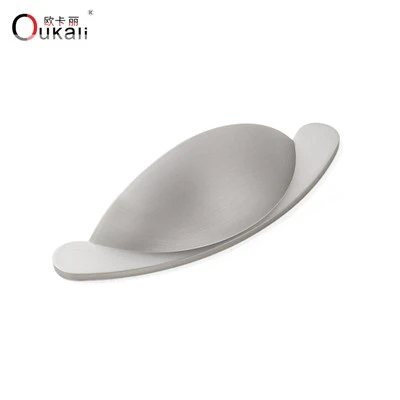
Oukali Modern 64mm Zinc Alloy Drawer Pulls for Kitchen Ca...
-

Oukali Modern 96-320mm Zinc Alloy Kitchen Handles Cabinet...
-

Oukali Modern Single Hole Ceramic Knobs for Kitchen Cabin...
-

Oukali Modern Single Hole Zinc Alloy Cabinet Knobs for Ki...
-
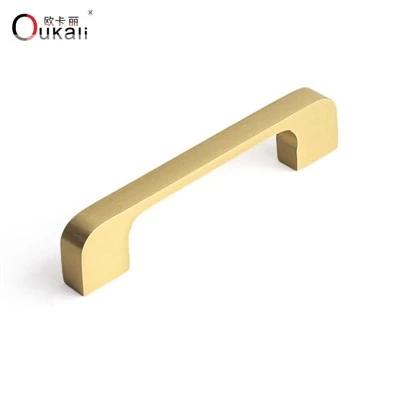
Oukali Modern 96mm Brass Cabinet Handles for Kitchen Ward...